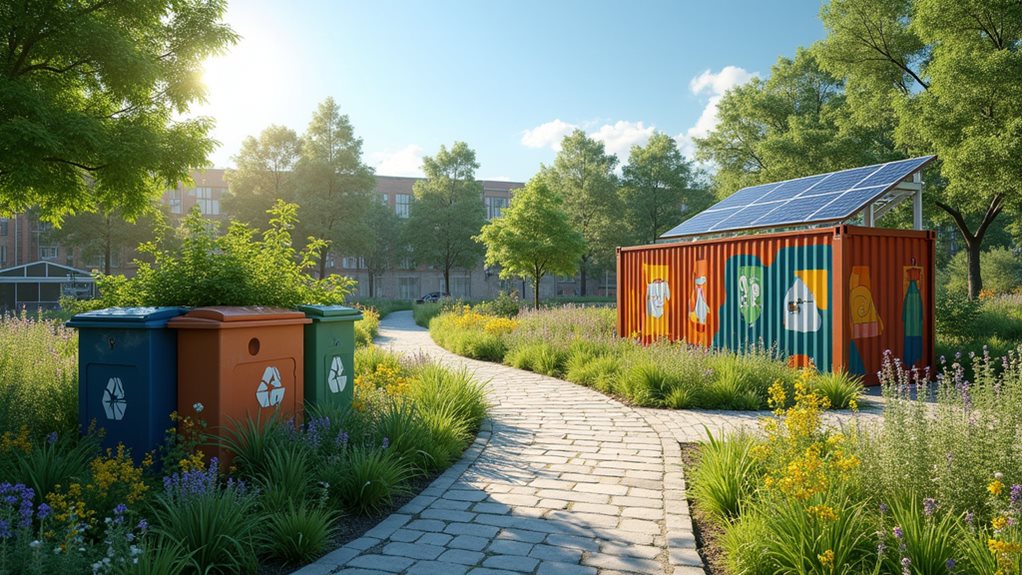

In a world where trash can sometimes seem as plentiful as stars in the sky, the concept of a circular economy in waste management emerges like a bright comet, promising a path to sustainability that shines with potential. This innovative approach flips the traditional “take-make-dispose” model on its head, transforming waste into a resource. Instead of tossing items into a landfill like yesterday’s leftovers, the circular economy encourages design that eliminates waste and pollution right from the start. It’s like changing the rules of a game to make sure everyone wins.
Key strategies in circular waste management include creating products that are durable, repairable, and recyclable—think of your favorite pair of jeans that can last a lifetime rather than just a season. Extended producer responsibility policies demand that manufacturers take charge of their products even after they’ve left the store, which is a bit like asking parents to keep tabs on their kids long after they’ve moved out. Reduction of operational costs is achieved through optimizing processes that minimize waste and maximize resource efficiency, which ultimately helps to enhance resource productivity.
The benefits of this model are as appealing as a slice of chocolate cake at a birthday party. For starters, it reduces the amount of waste sent to landfills and cuts down on greenhouse gas emissions. Who wouldn’t want a cleaner planet, along with new green jobs sprouting up like daisies in spring? Much like decentralized finance systems aim to democratize financial services, circular economy models democratize sustainable practices for all participants.
Yet, evolving to this circular mindset isn’t all sunshine and rainbows. It requires hefty investments in infrastructure and a shift in consumer habits—like trading in your beloved single-use plastic for a reusable bag, which can feel like breaking up with a longtime partner.
On the tech side, smart waste collection systems equipped with IoT sensors and artificial intelligence for sorting are paving the way for a more efficient process. Imagine a world where robots do the sorting while humans sip coffee—now that’s a future worth aiming for!
With successful case studies from Amsterdam to South Korea, the circular economy is not a distant dream but a vibrant reality that’s transforming waste management practices for the better.