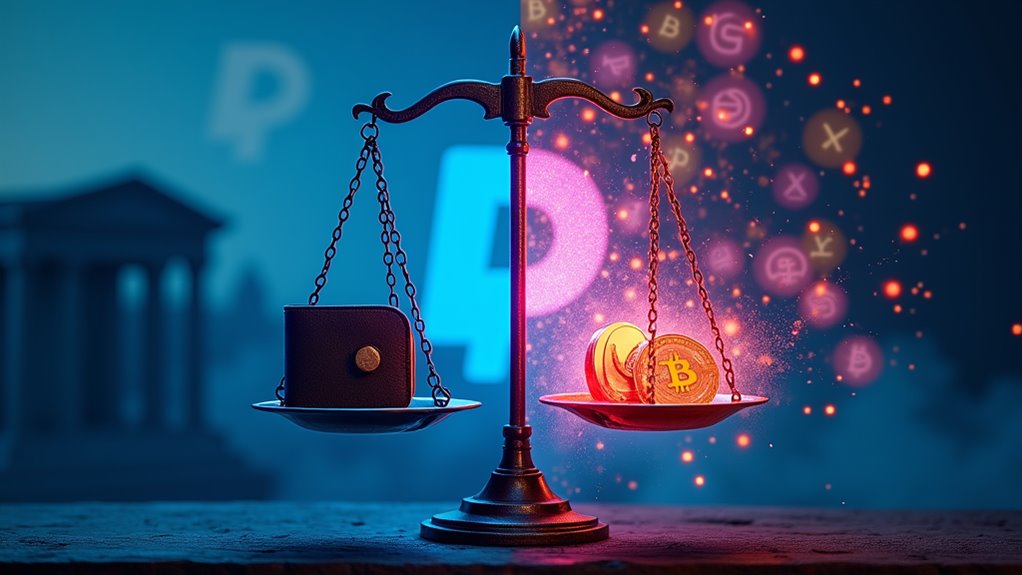

In the bustling world of digital finance, the showdown between PayPal and cryptocurrency giants is akin to a heavyweight boxing match—each contender boasting its unique strengths and weaknesses. PayPal, a centralized payment service, operates like a well-oiled machine, relying on traditional banking systems to facilitate transactions. It has a vast user base, thanks to its seamless integration with major e-commerce platforms. However, while PayPal offers instant domestic transfers, international transactions can drag on like a tortoise in a marathon, often taking 1-3 days.
On the other side of the ring, cryptocurrencies swing with the might of decentralization. They allow peer-to-peer transactions without intermediaries, making them the underdog with a fighting chance. With fees that can be as low as 0.1% and transaction speeds that often rival a quick coffee run, cryptocurrencies are becoming increasingly popular, especially for cross-border transactions. Additionally, crypto payments provide users with control over their funds—something PayPal, with its strict regulations and KYC requirements, can’t quite match. This decentralized nature enables crypto to prevent asset freezing or trade restrictions, empowering users in ways PayPal cannot.
When it comes to security, both have their strengths and quirks. PayPal employs SSL encryption, but it’s not immune to hacking attempts—think of it as a digital fortress with a few cracks in the walls. In contrast, cryptocurrency transactions are secured by complex cryptographic encryption, offering a level of protection that feels like an impenetrable vault. However, while PayPal allows for chargebacks, crypto transactions are irreversible, which can be a blessing or a curse, depending on the situation.
User privacy is another battleground. PayPal’s transparency requires users to provide identification and banking details, making it easy for Uncle Sam to keep an eye on things. Cryptocurrencies, however, offer a more pseudonymous experience, allowing users to slip through the financial cracks with a bit more freedom.
As the digital finance landscape continues to evolve, the competition between PayPal and cryptocurrencies will only heat up, ensuring that the battle for trust, freedom, and global access is far from over.