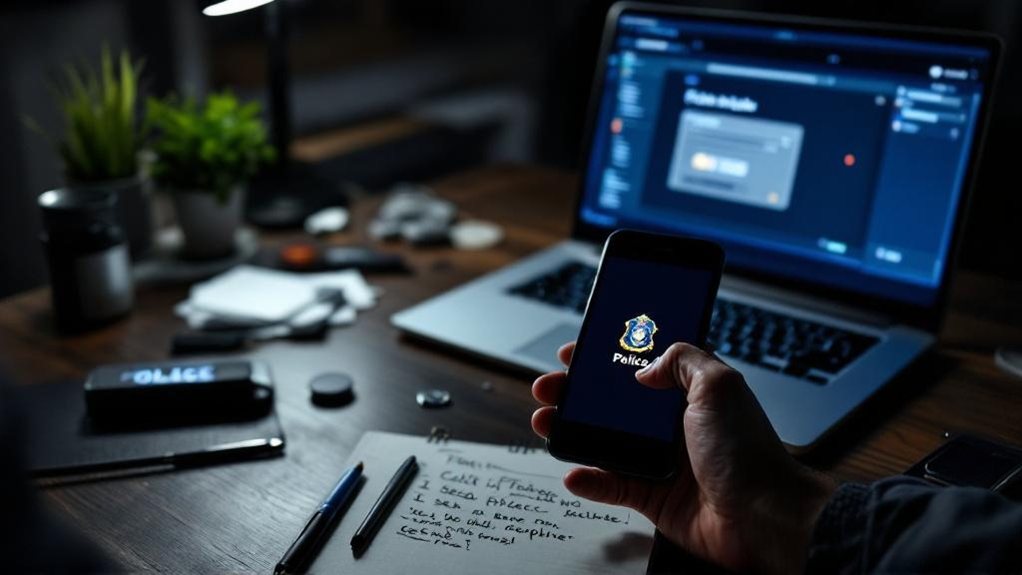

The victim, a long-term Bitcoin holder using cold storage, was likely identified through a data breach.
The scammer contacted them posing as a high-ranking police officer, claiming the victim’s personal identification documents had been recovered from an arrested individual.
It’s like getting a call from someone claiming to be your bank’s security team right after you notice unusual activity on your account – alarming and seemingly legitimate.
Creating an atmosphere of urgency and authority, the fraudster claimed their “police investigation” required immediate action to secure the victim’s assets.
The target was directed to a fake website that closely mimicked a legitimate service, where they were instructed to enter their wallet’s seed phrase – those 12-24 words that are basically the keys to your crypto kingdom.
Once the seed phrase was entered, game over.
The scammer gained complete access to the cold wallet and quickly withdrew all funds.
Think of it as handing over both your house keys and security alarm code to someone you’ve never met – except in this case, there’s no changing the locks afterward.
Authorities emphasize that legitimate law enforcement never requests access to crypto wallets or seed phrases.
This case highlights a disturbing trend targeting experienced crypto users with cold wallets – devices once considered among the safest storage options.
The scam exploits advanced social engineering techniques to manipulate victims into divulging their private information.
Remaining vigilant against scams is essential for safeguarding your investments from increasingly sophisticated fraudsters.
The sophistication of this scam reveals the evolution of crypto threats, combining technical phishing tactics with psychological manipulation.
Officials advise hanging up and verifying any purported police contact through official channels, as crypto scammers increasingly exploit both technical vulnerabilities and human psychology.
This incident follows a broader pattern where 80% of cryptocurrency thefts in early 2025 involved private keys and seed phrases being compromised.