
As storm clouds gather over the global economy, analysts are sounding increasingly urgent alarms about an impending period of economic distress. The latest forecasts paint a troubling picture, with GDP growth expected to slow considerably to 1.9% in 2025 and 2026, while JPMorgan has raised the probability of a U.S. recession to a concerning 40%. The Leading Economic Index declined by 0.3% in February 2025, signaling potential headwinds for the economy.
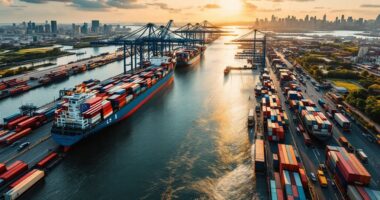
The proposed tariffs are casting long shadows over household finances. Think of tariffs as uninvited guests at your financial dinner table—they don’t bring anything, but they certainly help themselves to what’s there. American families could see annual expenses rise by $2,600 to $3,900, with consumer prices potentially jumping by 2.8%. Your next car purchase? That could cost up to $3,000 more if the 25% tariff on Mexican and Canadian imports materializes. Experts warn that rising tariffs could significantly worsen the situation, as protectionist policies tend to exacerbate trade slowdowns during economic downturns.
Labor markets aren’t faring much better. Job openings have shrunk by 40% over the past two and a half years, while unemployment claims approach the 2 million mark. The unemployment rate could reach 4.6% by mid-2026—not exactly the robust job market we’ve grown accustomed to. These conditions increasingly resemble a bear market characterized by declining asset values, contracting trading volume, and widespread investor pessimism.
Globally, the ripple effects are substantial. Mexico may plunge into a deep recession in 2025, while Canada’s GDP growth forecast has been slashed by 1.3 percentage points. Even Germany’s automotive sector faces potential devastation with 780,000 jobs at risk. It’s like watching dominoes fall in slow motion across the world economy.
Consumer confidence has already hit its lowest point in over four years, with retail sales growth flattening under the dual pressure of high interest rates and persistent inflation. Meanwhile, Dollar General reports that consumers are increasingly cash-strapped.
The Federal Reserve faces a complex balancing act, with inflation projected to hover near 3.0% in 2025 and only one modest rate cut expected. With exports threatened and trading partners seeking alternative markets, the $510 billion in global exports at risk represents not just numbers on a spreadsheet, but livelihoods and economic stability worldwide.